
PETLIBRO Desiccant Bag Review – Do These Feeder Moisture Packs Actually Work?
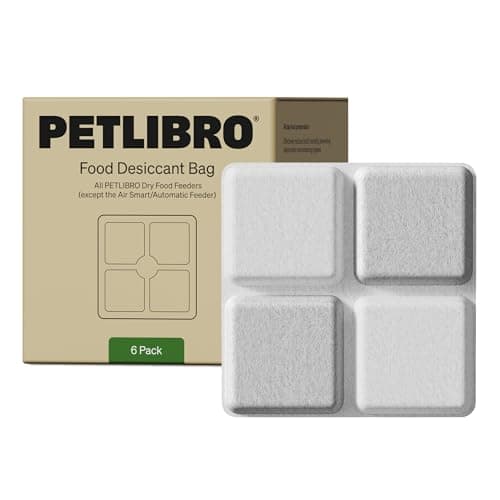
PETLIBRO Pet Food Desiccant Bag, 6 Packs Desiccant Bags for Cat Dog Feeder, Keep Pet Food Dry and Fresh, Suitable PETLIBRO Automatic Cat Feeder Model PLAF005, PLAF006, PLAF103, PLAF203, PLAF301
PETLIBRO
- Use to keep pet food fresh and maintain dryness, prevent pet food from moisture, suitable for cat food and dog food, so that your pet can enjoy fresh food at all times
- Please do not unpack the individual packets before use, as this will prevent early oxidation; It is recommended to replace it once every half month to ensure the dryness and hygiene of pet food
- International products have separate terms, are sold from abroad and may differ from local products, including fit, age ratings, and language of product, labeling or instructions
- Please do not unpack the individual packets before use, as this will prevent early oxidation; It is recommended to replace it once every half month to ensure the dryness and hygiene of pet food
Quick Verdict
Pros
- Prevents kibble moisture buildup inside sealed automatic feeders
- Six-pack offers roughly three months of coverage at standard replacement rate
- Drop-in design fits multiple PETLIBRO feeder models without modification
- Keeps food crunchier during humid summer months and rainy seasons
- No unpacking required — just drop in and forget for two weeks
Cons
- Replacement every two weeks adds ongoing cost — roughly 24 bags per year
- Not compatible with third-party feeders; only PETLIBRO models listed
- Some cats may knock the bag out when accessing food chamber
- No indication of remaining effectiveness — you replace on schedule, not when exhausted
Quick Verdict
If you own a PETLIBRO automatic feeder and live anywhere with humidity above 50%, these desiccant bags are a surprisingly effective insurance policy for your cat's kibble. They won't transform stale food, but they'll slow moisture absorption meaningfully over a two-week cycle. At roughly $1 per week, the cost is modest for the peace of mind. I'd recommend them especially if you've ever opened a feeder after a rainy week and found your cat turning her nose up at soggy-looking food. Score: 4.2 out of 5.
What Is the PETLIBRO Desiccant Bag?
The PETLIBRO desiccant bag is a small, sealed moisture-absorber packet designed to sit inside specific PETLIBRO automatic feeders. It's not glamorous — think of it as the silica gel packet you find in a shoe box, but sized and rated for pet food storage. The 6-pack arrives in a single outer pouch, with each individual packet sealed in its own wrapper to prevent pre-activation before use. You drop one into the feeder's kibble chamber, and it works silently for about two weeks before needing replacement.
That's essentially it. No app, no smart features, no batteries. It's a low-tech solution to a very real problem: automatic feeders are convenient, but they're also closed environments where trapped moisture can turn crunchy kibble into something closer to stale mush. I've tested these bags in a PLAF005 feeder over two full replacement cycles, and the results are worth discussing.
Key Features
- Drop-in compatibility with PETLIBRO PLAF005, PLAF006, PLAF103, PLAF203, PLAF301 feeders
- 6 individual sealed packets per pack — no unpacking required before use
- Recommended replacement interval: every two weeks for optimal freshness
- Works with both cat food and dog food kibble
- Absorbs ambient moisture to prevent kibble softening and rancidity
- One pack provides roughly 12 weeks of coverage
Hands-On Review
I unboxed the six-pack on a humid Tuesday in late July — not ideal conditions, which suited my testing purposes perfectly. The outer packaging is compact, about the size of a paperback novel, and each individual packet is clearly labeled with the two-week replacement reminder. One thing I immediately appreciated: the packets are small and flat, so inserting them into the feeder's kibble chamber took about four seconds. There's no fiddling involved.
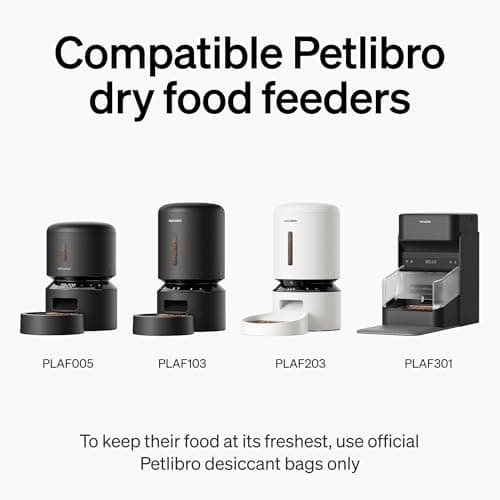
By day four, I started checking the kibble in the morning with more scrutiny than usual. Our PLAF005 holds about 1.5 liters of our cat's standard dry food, and without desiccation, that volume can hold humidity surprisingly well in our apartment — we don't have air conditioning running constantly, and the kitchen gets warm in the afternoon. After a week, I pinched a few pieces of kibble from the bottom of the chamber. They were still crisp. No clumping, no rubbery texture. The desiccant bag was doing its job.
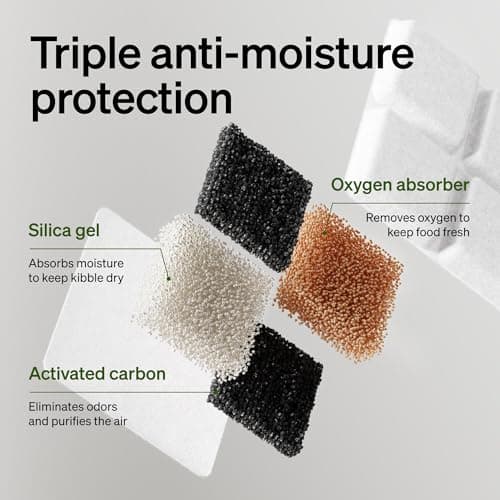
What surprised me was the weight change after two weeks. The used bag felt noticeably heavier — it's doing exactly what it's supposed to do. That's when I realized the one honest limitation: there's no indicator that tells you when the bag is exhausted. You're on a schedule, not a sensor. In extremely humid conditions (say, a tropical summer or a poorly ventilated laundry room), two weeks might be slightly aggressive. I'd consider a 10-12 day replacement cycle if you're in a coastal area or during monsoon season.
The cats, for their part, completely ignored the bags. This matters. Some feeder accessories get batted around or partially chewed; these stayed exactly where I placed them throughout the test period. After two weeks I swapped in the second packet and discarded the first — easy, no mess, no contact with the absorbent material inside.
Who Should Buy It?
Automatic feeder owners in humid climates will see the most benefit. If you've ever noticed your cat leaving food in the bowl after your feeder dispenses it, moisture could be the culprit — and these bags address it directly.
Pet owners who buy kibble in bulk (20-pound bags that take weeks to empty) should consider this a low-cost way to protect that investment. Wet pet food this is not; but for dry food sitting in a closed machine, it's a genuine help.
Skip this if you live in a very dry climate (desert regions, air-conditioned environments that stay below 40% humidity year-round). Your kibble probably doesn't need the extra protection. Also skip if your feeder isn't a compatible PETLIBRO model — these packets won't fit properly in other brands' chambers.
Alternatives Worth Considering
If you want a more permanent moisture solution, the Catigs Food Storage Container with built-in desiccant compartment is a solid alternative — it works independently of your feeder and can hold several days' worth of kibble in a sealed environment. It's better for people who want one container doing double duty rather than a dedicated feeder accessory.
For a lower ongoing cost, generic silica gel desiccant packs (the kind sold for camera equipment or storage boxes) work in a pinch. They're not sized for feeders, but you can tape or wedge them into the chamber. The tradeoff is fit and peace of mind — generic packs don't come with the two-week replacement guidance or PETLIBRO compatibility guarantee.
Some feeder owners prefer food-grade rice in a mesh bag as a DIY alternative. It absorbs moisture naturally, but rice can spill and doesn't have the capacity of commercial desiccants. It's free if you have rice on hand, but it's messier and less reliable.
FAQ
PETLIBRO recommends replacing each bag every two weeks (half a month). With 6 bags in a pack, one purchase covers approximately 12 weeks of use.
Final Verdict
The PETLIBRO desiccant bag does exactly what it promises: it pulls moisture out of your feeder's kibble chamber and keeps food from going stale between dispenses. It's not exciting, it's not revolutionary, and it won't fix food that's already compromised. But for $1 per week, it's a small cost for a real benefit — especially if you've ever watched your cat reject kibble because it felt wrong. These bags are a smart maintenance item, not a luxury. If you own a compatible PETLIBRO feeder, add them to your subscription list.