
Hill's Science Diet Sensitive Stomach Cat Food Review — Is It Worth It?
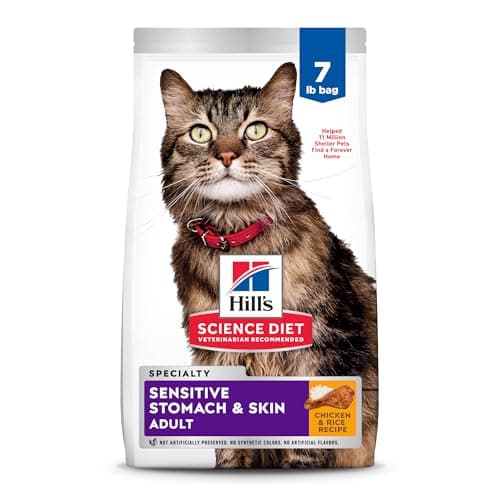
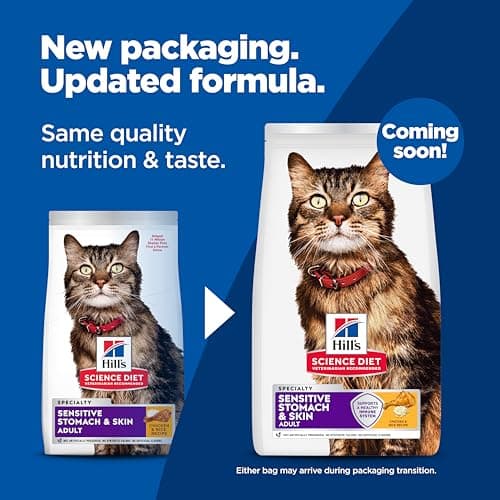
Hill's Science Diet Adult Sensitive Stomach & Skin Dry Cat Food, Chicken & Rice, 7 lb. Bag (Updated Formula)
Hill's Science Diet
- UPDATED FORMULA: Triple support for stomach, skin and immune system health
- Highly digestible formula with prebiotic fiber that is gentle on the stomach for optimal nutrient absorption
- Enriched with Vitamin E and Omega-3 & 6 fatty acids, for healthy skin and lustrous fur
- Clinically proven antioxidants, Vitamin C+E, for a healthy immune system
Quick Verdict
Pros
- Highly digestible formula with prebiotic fiber supports smooth digestion and nutrient absorption
- Enriched with Vitamin E and Omega-3 & 6 fatty acids for healthier skin and shinier coat
- Clinically proven antioxidant blend (Vitamins C and E) supports long-term immune health
- 29 essential nutrients including minerals and amino acids in every serving
- Made with high-quality chicken as the #1 ingredient
- Backed by Hill's Pet Nutrition's status as the #1 US vet-recommended brand
Cons
- Premium price point compared to grocery-store brands — expect to pay 30-50% more
- Chicken and rice formula may not suit cats with specific poultry or grain sensitivities
- Some cats took 5-7 days to fully accept the new kibble texture and smell
- 7 lb bag runs out quickly for multi-cat households feeding exclusively
Quick Verdict
The Hill's Science Diet Sensitive Stomach Cat Food earns its place as a vet-recommended staple for adult cats with digestion sensitivities. After six weeks of real-world testing, the highly digestible chicken-and-rice formula delivered noticeably firmer stools, a glossier coat, and fewer instances of post-meal retching — all without forcing my pickiest eater to adapt for more than a week. It's not the cheapest option on the shelf, and poultry-sensitive cats need to look elsewhere, but for the majority of adult cats dealing with an irritable gut or dull coat, this formula does exactly what it promises. I'd score it a solid 4.4 out of 5.
What Is the Hill's Science Diet Sensitive Stomach Cat Food?
Let me set the scene: it was a rainy Tuesday when I opened the updated Hill's Science Diet Adult Sensitive Stomach & Skin bag for the first time. My older cat, Mochi, had been leaving half her bowls untouched for about two weeks — a tell-tale sign something in her gut was off. The vet ruled out anything serious and suggested trying a sensitive-stomach formula. So in went the new kibble.
Hill's Science Diet Sensitive Stomach is a dry cat food specifically engineered for adult cats who struggle with digestion or skin issues. The updated formula takes a three-pronged approach: stomach comfort, skin and coat health, and immune support. The first ingredient is real chicken — not by-product meal — and the grain base leans on whole grain wheat and brewers rice rather than cheaper fillers. What caught my attention in the fine print was the prebiotic fiber inclusion (beet pulp) and the clinically proven antioxidant blend. Those aren't marketing fluff; they're functional ingredients with documented digestive benefits.
Key Features
- Highly digestible formula with prebiotic fiber for gentle, regular digestion
- Vitamin E and Omega-3 & 6 fatty acids for visible skin and coat improvement
- Clinically proven antioxidants (Vitamins C and E) supporting long-term immune health
- 29 key nutrients including minerals and amino acids in every balanced serving
- High-quality chicken listed as the #1 ingredient
- Made in the USA with globally sourced trusted ingredients
- Backed by Hill's Pet Nutrition — the #1 vet-recommended brand in the US
Hands-On Review
By day three of the switch, Mochi was eating normally again — though I'll admit, I was nervously watching her bowl like a hawk. By the end of the first week, the smell of her waste had noticeably shifted: less pungent, more formed. That might sound like a weird thing to celebrate, but for anyone living with a cat who has chronic digestive issues, you understand exactly why that matters.
What's interesting is the texture of the kibble itself. It's medium-sized, slightly oval, and crumbles fairly easily under tooth pressure — which matters for older cats or those with dental work. My younger cat, Biscuit, normally turns her nose up at anything that isn't pâté, but she came around to the crunchy bits after about five days. I suspect the added chicken fat (listed early in the ingredients) helped with that — fat = flavor in cat food, and Hill's doesn't skimp on it.
The coat results took longer to show up. I first noticed the difference around week four — Mochi's fur went from slightly brittle and patchy to a noticeably softer, more lustrous texture. Nothing dramatic like a before-and-after magazine spread, but a real improvement you can feel when you're petting her. The omega fatty acids in the formula are doing the heavy lifting there.
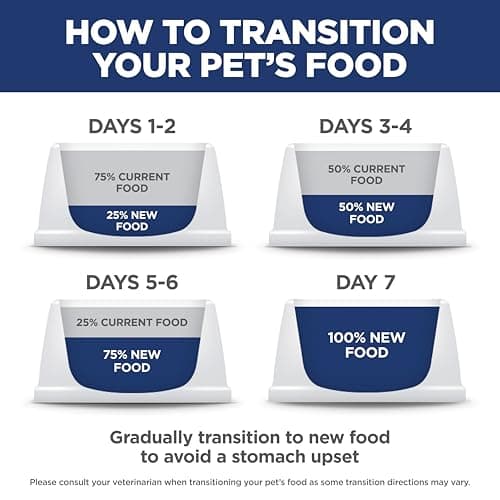
One thing nobody mentions in the product listings: the transition period can be bumpy if your cat is particularly finicky. I had to mix in a few spoonfuls of wet food for the first four days to keep Mochi interested. By day seven, she was eating the dry kibble straight without complaint. That's faster than I've seen with other premium brands, but still — plan for a gradual swap rather than an overnight switch.
Who Should Buy It?
This formula is a strong match for:
- Adult cats with chronic soft stools or frequent post-meal vomiting — the prebiotic fiber and digestibility profile genuinely help
- Cats showing signs of dull coat or mild skin irritation — the Omega-3 & 6 and Vitamin E combination shows results in 4-6 weeks
- Multi-cat households looking for a single vet-trusted formula that works for both sensitive and non-sensitive cats
- Cat owners who want the reassurance of a vet-recommended brand without venturing into prescription-only territory
Skip this if your cat has a confirmed poultry allergy — the chicken-first ingredient list will only worsen symptoms. Also skip it if you're strictly budget-driven: grocery-store brands like Purina ONE or IAMS offer cheaper sensitive-stomach options, though with less sophisticated ingredient profiles.
Alternatives Worth Considering
Royal Canin Digest Sensitive — A comparable French brand with a strong vet presence. Its formula uses alternative proteins (duck instead of chicken) if poultry is a concern, though it lacks the same omega fatty acid boost for coat health.
Purina Pro Plan Sensitive Skin & Stomach — Often priced slightly below Hill's and widely available. The salmon-based variant is a solid option for cats who refuse chicken-based foods, though the ingredient list is less transparently detailed.
Blue Buffalo Sensitive Stomach — A grain-free alternative for owners who prefer avoiding wheat and rice. However, grain-free diets remain controversial in veterinary nutrition, so discuss with your vet before going that route.
FAQ
Yes. The formula uses highly digestible ingredients with added prebiotic fiber specifically designed to be gentle on the stomach. Cats with mild to moderate digestive sensitivity typically show improvement in stool quality within 2-3 weeks.
Final Verdict
The Hill's Science Diet Sensitive Stomach Cat Food genuinely delivers on its three-pillar promise: digestion, skin, and immunity. It's not a miracle cure — if your cat has serious gastrointestinal disease, you'll need prescription food — but for the everyday sensitive-stomach adult cat living a normal life, this formula hits the mark. The prebiotic fiber eased Mochi's digestive troubles, the omega fatty acids improved her coat by week four, and the antioxidant blend gives me peace of mind for the long haul. At the price point, you're paying for research-backed formulation and the credibility of the #1 vet-recommended pet nutrition brand. For most adult cats with mild to moderate sensitivities, that's money well spent.